Twenty Years Past and Still Present

Remembering Mom from a Distance
Grandmimi and the three. December 2001, after the NY Public Library Family Holiday Party. Just before her diagnosis.

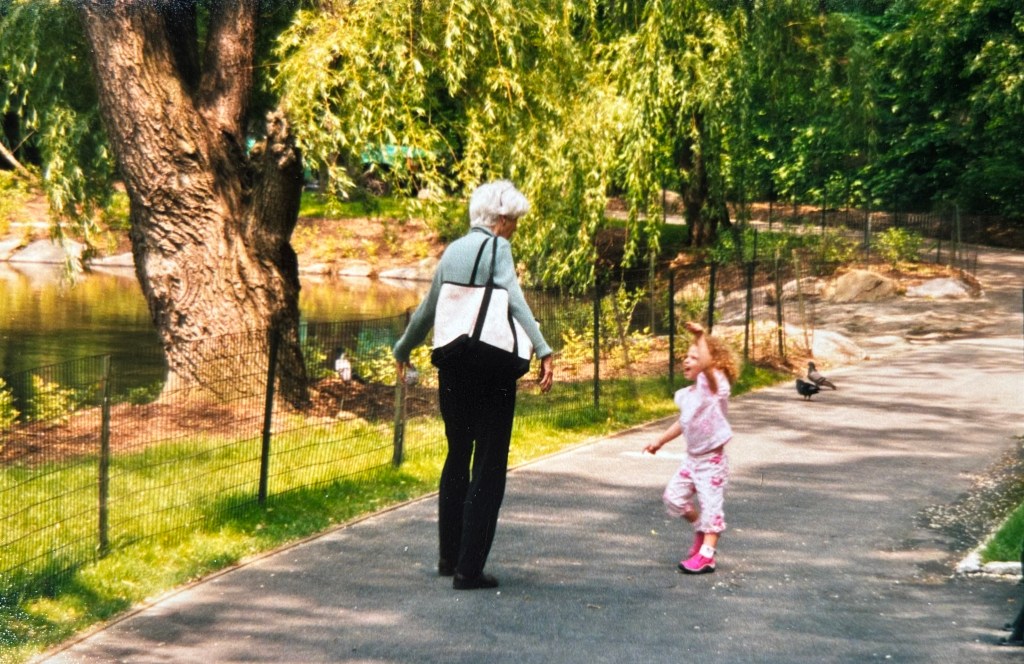
It was my sister who reminded me that this year would mark the 20th anniversary of our mom’s death. The day, November 1, would not have gone by without my realizing this, but I was grateful for my sister’s early reminder as it gave me time to reflect. “She just missed so much,” she said, referring mostly to the four grandchildren Mom left behind, three of whom have a few warm but faint memories of her playful, loving presence. While Mom’s body was trying to fight the vicious cancer cells growing inside, her heart embraced grandparenthood, enjoying playing on the floor with trucks, taking a walk in the park, attending tea parties and ballet classes, and singing along to Baby Beluga, all without being the one to change the diapers or put them to bed. It used to be hard for me to see a grandmother walking down the street holding the hand of a grandchild. Now I am happy for them, knowing that the love connection with a grandparent is free of so many of the trials and tribulations of the daily challenges of parenthood. Maybe generation-skipping love is made from the simplest of recipes, not too much preparation or too many steps to follow with potential for mistakes. A gentle stir to bond together is all it takes.

In the more recent years since her passing, besides thinking about all that she has missed (and feeling that she is within all of us too), I find myself lingering on memories of the woman she was, searching beyond the mom she was to me. Every mom is much more than a mother, but until you reach adulthood and start seeing the bigger picture, those other parts of a mom are tiny glimpses in our peripheral vision. Things we don’t really notice until they are gone, when our curiosity may lead us to new perspectives. Perhaps my own settling into post-menopause womanhood makes me less attached to my identity as a mom, making me wish I could talk to her about more general “older woman” topics. I would want to ask about her experience with menopause. I certainly remember her red face during those years but was too young to care or understand that there was so much more changing than her body temperature. I wonder if her hot flash experiences would have helped me through mine. In the least, it would give me a good giggle to share the inopportune moments when the heat rose through our bodies like unwanted water rising in the cellar during a heavy rainstorm. When will it stop?? The sump pump in our basement worked faster than my body’s natural ability to cool down. Mom and I could exchange strategies on the best ways to calm the storm, like wardrobe choices that make for a quick layer removal and glasses of cold water within arm’s reach at all times. Maybe I would ask her a very direct question because it would be nice to know: “what was the hardest part, the hot flashes, the insomnia, the anxiety spikes, or the general insanity? Exactly how long did each last? No insomnia you say? You got off easy.” My experience was that she was a good sleeper. One rule she had was that I had to wake her up after I came home from a high school party, so she would know I returned home safely, still standing and coherent enough to have a quick chat. I never minded that rule. It was kind of fun to see her roll over in her big king-sized bed, opening her eyes halfway with a little smile. “Did you have a good time?” she would ask sleepily. Yes Mom, I did.

The reality of the menopause conversation would be more like those late-night check-ins than some deep emotional sharing of our womanhood. Most likely she would offer some seed of wisdom; something simple like “this too shall pass.” Her short answer would be right. While the insomnia (and related anxiety) comes back around at times and it’s hard, I am more settled into my older, empty-nested self now. It takes time, younger friends. Be patient with yourself. I use more moisturizer for my thinning skin, but these past few years have proved easier than those full-on hormone-swinging ones when my mood felt as confused and depleted as my estrogen.

Imaginary conversations included, I will never stop seeking ways to feel Mom’s presence. For the past year or so I have been using one of her many half-filled journals for my own journaling. I have wondered if I am committing some kind of sacrilege, adding my own thoughts to the private experiences recorded just for her own reflection. But there is a comfort in filling the pages that she left empty; like my thoughts on the blank ones give her old words new life. Her handwriting is often hard to decipher, a combination of her shorthand habits and general lack of care for looking neat or pretty. Every entry is dated. A habit that is so useful to one who revisits the reflections.

Her journal writing is aligned with her personality; she wrote down very detailed descriptions of her experiences but didn’t dive deep into any internal monologue. There are no cycles of emotional struggle in her writing. Much of it describes straightforward reports of moments in her day, albeit with the sharp observations of a photographer’s lens. Somehow it is deeply reflective nonetheless, and her clever humor is present along with her attention to detail. Things like this moment she captured in the Salt Lake City airport when she was on her way to her favorite spa and had a longer-than-expected layover due to a snowstorm:

“I stood in line at the Pizza Hut and got two pizzas for the price of one by pretending to be with the man standing next to me. The cashier asked if we were together, and we said firmly “yes” even though we were “together” for a minute at most.”

Mom’s journal entry dated March 6, 1998

Given that she was a woman who spent the majority of her life untethered to a man, I assume the internal monologue may have been more complex. Years later here I am thinking how old was this man? Did she check for a wedding ring? Did she feel an attraction in that fleeting moment, knowing that they both understood without any exchange of words that they were about to get a bargain by aligning on the collective “yes?” Was the snowstorm so bad that in the screenplay version of this chance encounter they may have sat next to each other all night, empty pizza boxes in their laps, sharing stories?” My questions are so unlike her writing I remind myself to return to the facts – she was always one for a bargain. She was flirtatious too. If the experience led her to ponder any of life’s what-ifs, she didn’t think them important enough to document.

So, the journals have not revealed any big unknown layer of my mom. They have not given me any new sense of the woman that she was because they reflect exactly what I felt, and I think have always felt about her: her power was in her presence. She possessed an authenticity; there was an unpretentious confidence in her character and an openness in her attitude. She had followers, long before social media turned that word into a more superficial metric. I felt she was comfortable in her own skin, yet what lay behind that layer was more of a mystery, and perhaps less comfortable. I think her alluring presence, one that would lead a stranger to stand by her in line for pizza and soon realize the opportunity for a little bit of money-saving mischief, left people curious of wanting more. Like the reflections in her journals, perhaps the experiences themselves were meaningful enough. For those who sought out what lay beneath the shared experiences, I’m not sure how many received a deeper level of emotional engagement.

For me, speaking at both the surface level and from the depths of my emotional attachment to her, I was generally comfortable in her presence and felt the security of her love. That isn’t to say that we always got along or that she never disappointed me. I endured times when her openness turned to harsh judgment and her discomfort suddenly exploded into misdirected anger. Those times were confusing, to say the least, but I know now that a person is seldom without at least a few inherent contradictions. Despite those moments, I think I internalized early on that her presence and love were there for me, and much of the time those things were enough.

Twenty years out from losing her, I enjoyed the sentimental reminiscing through journals and photos and shed only a few tears. I found this loose clipping tucked inside another journal, perhaps written spontaneously on whatever paper was near the breakfast table. Still dated, of course, handwriting and energetic punctuation bringing her back to life:
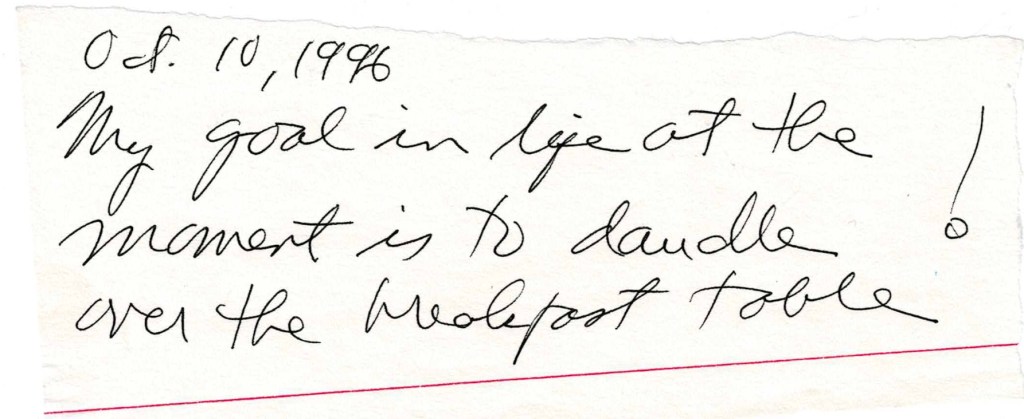
Fully embracing this declaration, I permit myself to decide that her love for a hearty breakfast has clearly been passed down to her fourth grandchild, the one who is too young to remember her. On many a morning since he has learned to cook the things he enjoys most, I have watched him carefully craft his scrambled eggs for optimal fluffiness, fry his sausage (his preferred meat to bacon, I think Mom’s too), and time his toast. I know now that she is there in the kitchen with us, reminding us that one of life’s simple joys is to dawdle.

Me, Mom in her wig, and the fourth grandchild. July 2002.
A walk in the park with Grandmimi. June 2003.

Will Starbucks replace the barista with a robot someday?

The question in my title came to my mind when I was missing my more frequent interactions with baristas in pre-pandemic times. Those interactions, without masks, would bring a little joy to my day even before my first sip of coffee. I don’t want to know the answer to the robot question, so I’m not going to google it. My guess is I think the barista job has a lot of security (granted not a lot of pay), given the need for caffeine to be delivered in whatever most satisfying format one desires, crafted to perfection by those who are skilled at the art of espresso. Then again, the world has surprised us all before with how things change. While I am sure there are a few popular TED Talks out there about how robots have the potential to save us from doom while somehow not eliminating jobs, I truly hope the neighborhood coffee shops and their barista heroes will never disappear. I’m definitely not going to google it.

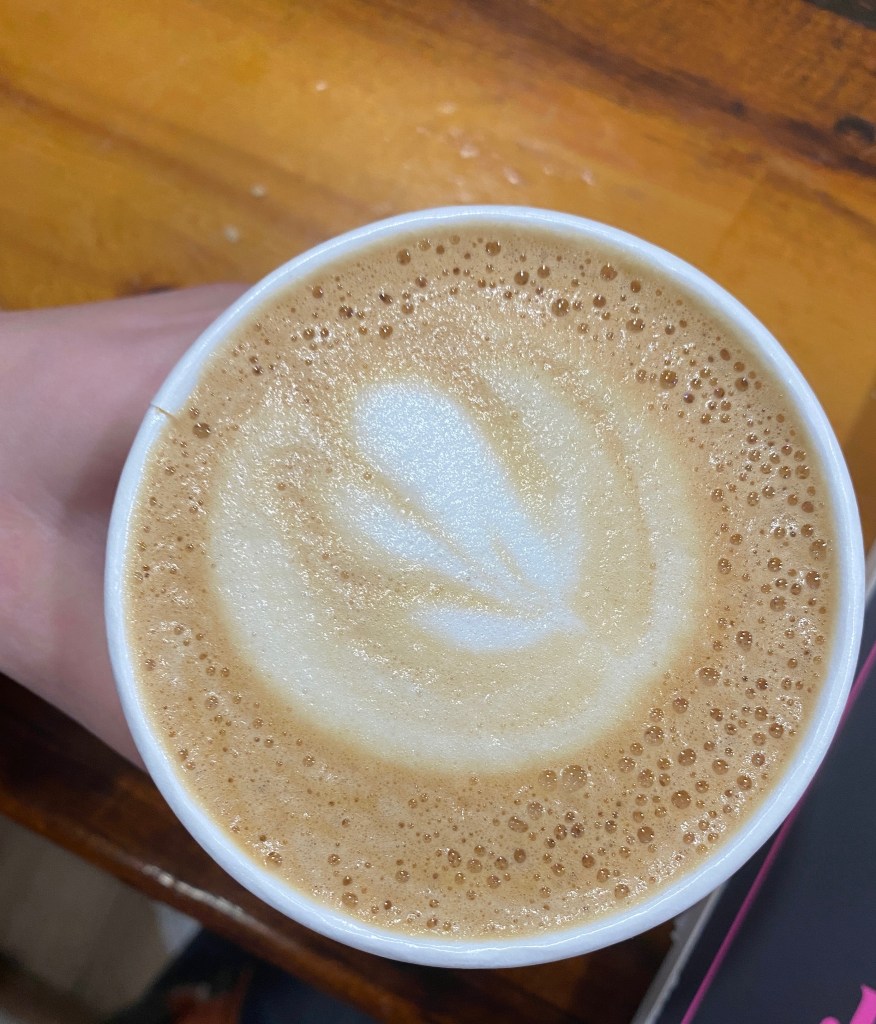
A few years ago, I would often get my lazy weekend morning latte at my local Whole Foods coffee bar. There was one barista there that had a sweeter and kinder face than any other who ever took my order, pressed and twisted the freshly-ground espresso into position, and foamed my milk to perfection, finishing it off with the magic touch that creates a leaf or heart etched into the frothy top. While a good latte can be found in many places (truth be told I’m not a Starbucks fan, but I still admire the work of their baristas), I am always in search of the best and love trying new places. When my daughter and I were on college tours, I would be behind the wheel while she would search Yelp to find the highest-rated local coffee shop within a reasonable distance of the campus we were touring. We would enjoy our personalized lattes and decide if the establishment lived up to its 5-star reviews (usually it did). Maybe the fun coffee breaks took some of the pressure and awkwardness out of the college process. Smart, enthusiastic, student tour guide involved in too many clubs for a reasonable person to participate in be dammed – we’re paying more attention to the coffee! Someday I’ll open that coffee shop I’ve thought about over the years. Is 60 a good age for that? There seems to always be room for one more excellent coffee shop.

Back to my Whole Foods coffee bar. The barista there was young, probably in his 20s, of color, hair standing up with cool confidence, and had a permanent small but genuine smile on his face. It was like what one of my yoga teachers says when she reminds us to relax into a pose – “lift the corners of your lips.” The corners of his lips appeared locked in place at contentment. Who I am to say whether he was happy, making lattes or otherwise, but I can say his smile never failed to welcome me with authentic warmth. I noticed the first time he served me that his eyes were more connected to mine than what I would expect in most everyday interactions. I am not talking in an uncomfortable kind of way; I was already an “older woman,” probably even old enough to be his mom, and while every woman can recall a moment (or many) when male eyes linger too long or lean too close, this was definitely not that. 

I think it was about the third time he served me that I realized I never heard him speak. It suddenly dawned on me, once I paid attention past his sweet smile, that he couldn’t hear me either. Those focused eyes were observing my face for a very necessary reason. The lightbulb went off in my head that he was deaf; his intimate gaze was reading my lips so he would get my order right! Perhaps there was no special connection between us after all, but his smile still gave me a moment of joy every time I found him at the counter ready to take my order.

Then there was the barista at the indie coffee shop a few blocks from there, one that I would happily walk to when time allowed, anticipating my almond milk latte and its perfectly balanced small-batch espresso flavor. The barista there was a little older than my Whole Foods friend, bearded, white, maybe he looked like a musician. He didn’t have lips that turn up at the corners, but he wasn’t grumpy either. It was hard to read anything about his emotional state because the expression on his face was like a flat white – a minimal layer of covering over something stronger and more mysterious beneath. I always wondered if he was the owner because he took so much pride in his work, his eyes locked on the important details of making the best latte in the neighborhood. It’s a popular spot and you must be patient, so there is time to watch how the barista team keeps the process moving smoothly but never hastily, just like me when I take the first satisfying sip of my coffee with my lips turned up. When the hip not happy barista would place the cup on the pickup counter and call out the drink, I always tried to meet his eyes and say thank you. Sometimes he I would get a quick “enjoy” response, maybe with a fleeting moment of slightly turned-up lips. At that moment I would feel like a younger, hipper version of myself; if I were a pair of sneakers, I would be those cool-looking ones made of recycled plastic, renewable bamboo, and reclaimed rubber that pop up on my Instagram making me think I need them.

Since the pandemic, I am mostly in a new place and usually make coffee at home, but I will go out of my way to discover the best coffee in 20 miles instead of 20 blocks. It’s hard to tell if the masked baristas are smiling as they take my order; the subtle smiles are harder to notice when only the eyes are revealed. Unless there is great enthusiasm coming from the voice behind the mask, I assume they are feeling more stressed than they were before and that the smiles come less frequently. A friend of mine recently said that she thought we might all feel a little bit more comfortable hiding behind our masks, our faces protected, along with the emotions found beneath the minimal eye contact needed to navigate the world outside. Could be true, I thought. Like so many times in life, it is probably a mix of emotions – we miss the subtler connections that used to be more present in everyday exchanges, yet we welcome the escape from those more easily too. 

Life’s complexity reminds us to pause and appreciate simple joys. Whatever complexities the robotics engineers are working on to make the world function more efficiently in some way or another, I will continue to embrace ignorance on how that might change us even more as I continue to stop and savor my latte and the work of the barista who created it. This holiday season I will remember to tip generously too. Joy to the world, to human connection, and especially to the baristas!

The Littlest Hiker Learns Lessons from Dad

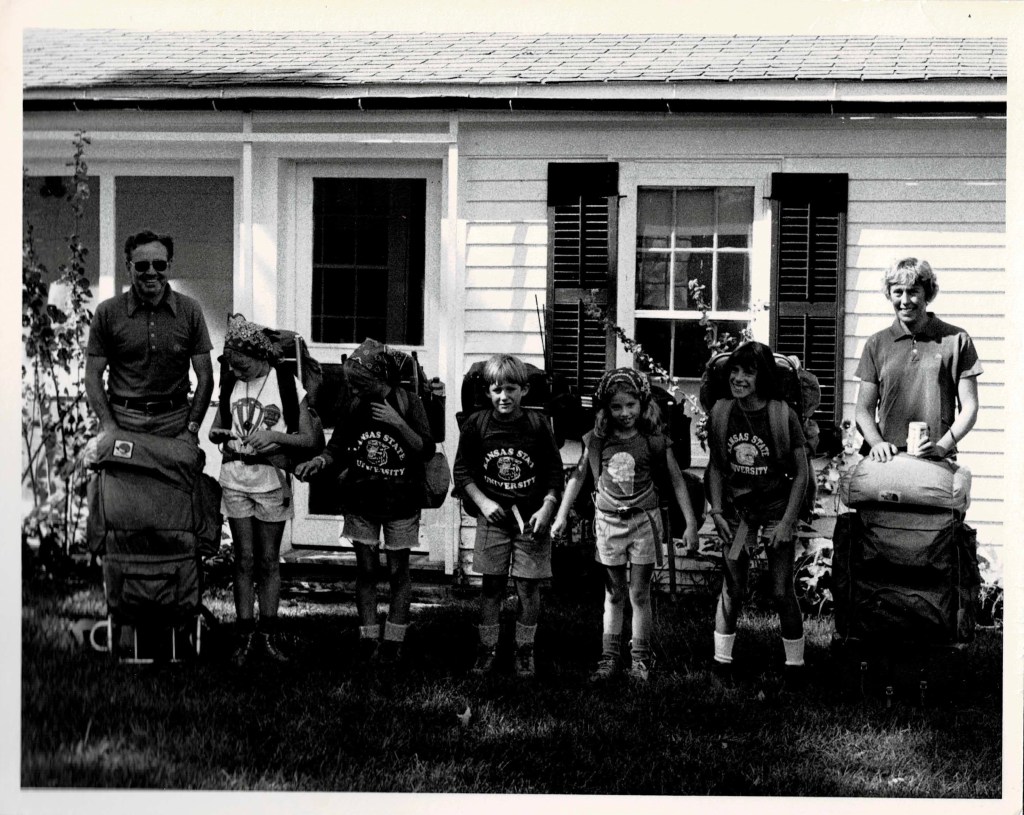
That’s me in the ice cream t-shirt (third from right). The littlest hiker.

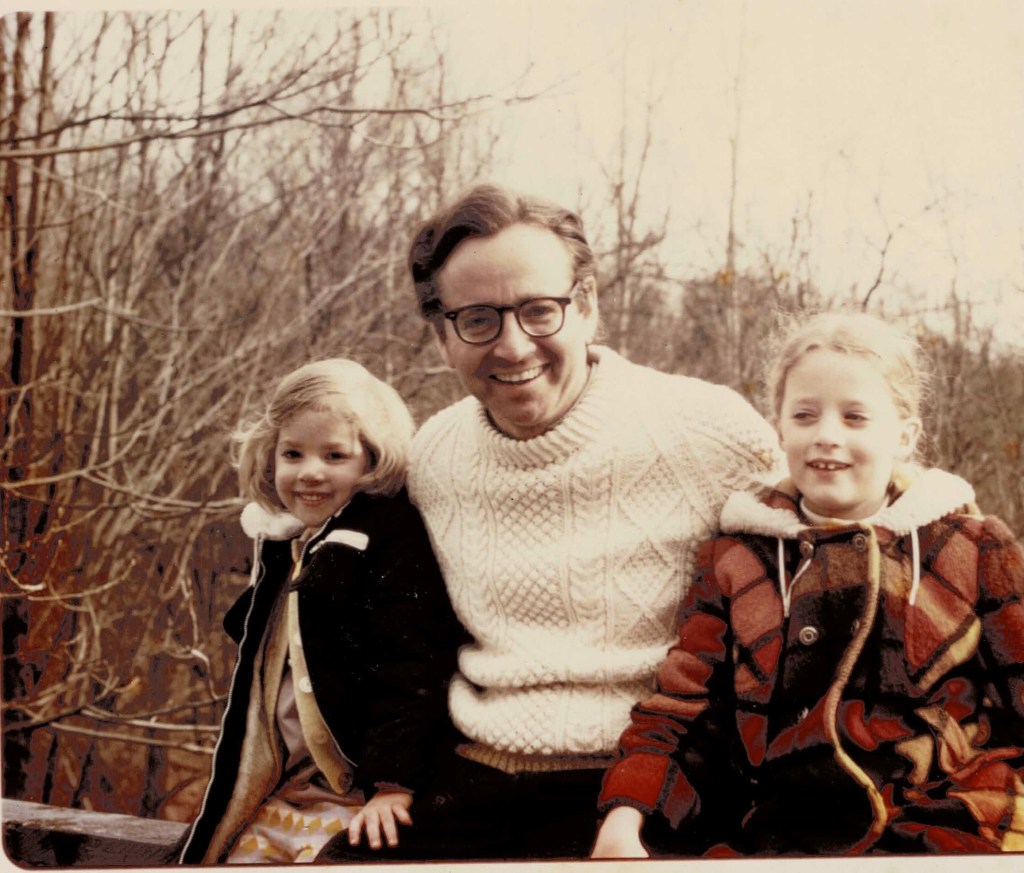
This photo, or a very similar one at the start of a different hike, was on display in my father’s and stepmother’s house for decades. It was on top of the grand piano among many photos of my dad’s second family, some that included me and my sister, some with our grandmother, and others showing the other sides of their family and friends less familiar to me. Whatever confusion I felt as a young child wondering how or if any of those other smiling faces fit in with me, as an adult I always liked looking at the hiking photo. We took many summer hiking trips as a blended family, and the memory of them gives me a generally happy childhood feeling of enjoying outdoor adventures with my dad. He was a city kid from Queens but for some reason the great outdoors was in his blood. No matter the season, he took us out – hiking, skiing, swimming. Later there were a few long bike rides. He taught me how to ice skate, something that I grew to love, becoming a “rink rat” and competitive ice skater for a good number of my early adolescent years. He taught me lots of things I still love to do today.

Sometimes the things he taught me seemed to come in “tough love” packages. Looking back, they don’t really seem very tough at all; they are more like universal life lessons. But as a kid I always felt pressure to live up to my dad’s expectations, despite not really knowing what those were (although he loved to chat with many in a cocktail party crowd, in more intimate environments he was a man of few words, at least to me). One lesson was learning to carry all of my ski equipment from the parking lot to the base of Whiteface Mountain or Jiminy Peak on many a bitter cold morning. I wanted so badly for him to take my small but somehow extra-heavy skis and put them in his stronger arms. It felt like it took me 20 minutes to get to that base lodge, but I always made it without giving in to my hidden desire to plea for help. I think I wished my mom was there welcoming me with a cup of hot chocolate. And I hadn’t even skied yet!

In a different season, less weighed down with bulky winter layers and hard to handle equipment, he taught me what it feels like to be violently toppled by a wave. I fell backward off of his shoulders, just when I thought that even an amusement park couldn’t be as fun as jumping in the waves with my dad when my head stays safely above the water. “Why didn’t he hold on to me?” I wondered, having no idea if that were even possible. We were at a beach club in Atlantic Beach, New York where we would spend magical summer days visiting my grandmother. I never wanted those days to end. Sometimes they ended with my sister and me, and maybe our cousins too, learning to dance the “Ally Cat” led by someone who clearly knew how to keep the children and grandchildren entertained as the sun faded and cocktail hour began. If the stylish cabanas with their plastic covered, floral-print couches and the huge pool were not magic enough, those dances made me wish I lived at that beach club. Except for that one moment when my dad somehow allowed me to be overtaken by a wave, causing me to cough up salty water, clogging both ears and filling my bathing suit with sand, the place was pure bliss. I’m pretty sure I cried for a while sitting on the beach trying to recover. And he did comfort me, in his never over-reacting way. I wished his hug lasted a little longer. He was a good dad and a gentle soul, but there was always a distance I felt. Perhaps the distance of not remembering when his house was also my house. Not sharing the same sense of place.

I was scared of waves for a long time after that. Eventually I could see that he taught me that there will be times in life when you find yourself tumbling underwater with no sense of what is up or down or how you will land, but usually you come out OK. Years later, I sometimes had a hard time watching my own little children jumping in the waves, worrying they will get tossed and tangled and I would have to come to their rescue. There would be no distance between their tears and my loving, empathetic embrace.

The hiking photo brings me back to the complicated, mixed emotions I felt not knowing exactly what might happen when our dad arrived every other Friday evening to take me and my sister for the weekend. We must have known which of a few places we were headed to, but I was often caught between a sense of excitement and feelings of anxiety for the unknown. I may not have known exactly which bed I would sleep in that night, but I would most likely find a comfortable pillow. And I always had my big sister. The consistency of our presence together, no matter the parent we were with or the destination, and no matter our different experiences, was a complex and emotionally tethered sibling love connection that only grew stronger with age.

Starting from either the house in upstate New York that we shared with my dad’s best friend and family, or sometimes from a friend’s house in Vermont, we took enough hiking trips over the years to climb the tallest mountain in every state in New England. At least I think we achieved that stated goal. Usually it was the whole bunch pictured above — my dad and my step-mother and five kids. Me, the youngest, my sister 3 years my senior, step-brother closest to my age, step-sister and her best friend, a near permanent fun fixture in my every-other-weekend family. I remember loving the folded bandana fashion that tied back our hair – it made me feel like a real “outdoor” kid, one that could climb mountains and sleep in the woods and maybe even not be afraid if a bear came along (a girl can pretend).

On the trip I remember most, because of it’s hardest moment, I recall that my backpack, with its sturdy metal frame, reached at least six inches above my head. Clearly this is not what is depicted in the picture above, which leads me to believe that either there is a photo somewhere that more accurately depicts the proportions between me and my backpack, or that my memory is indeed not only selective but sometimes outright wrong.

The height of the backpack aside, I remember feeling its weight pushing my little body down. My dad told me that the first day would be a little harder for me than the next, because he would have me carry the first night’s meal – a couple of pounds of hamburger meat.  Seemed like a reasonable ask of the smallest child, everyone else’s bigger packs filled to capacity.

I followed the older kids up the trail as we sang silly songs, such as one that took up a lot of time involving counting down bottles of beer on the wall. The backpack got heavier. We walked on. My shoulders started aching. We walked on. We took breaks for water and to nibble on the GORP (good old-fashioned raisins and peanuts) – a snack that tastes best when consumed in the woods.

I wonder how old we are when we realize we don’t want to disappoint our parents? I tried so hard to keep walking and not tell my dad my legs were wobbling beneath the weight of my pack. I think it was after lunch, after several hours of walking, that my head succumbed to my legs and aching shoulders. Or maybe it was long before lunch. In my memory it was at a steep point that I sat right down in the middle of the trail and sobbed. My dad understood. He was still young and strong then. He gently, undramatically, gave me a sense of calm as he opened my pack and took out the meat. Probably took a few other things out as well. I wonder how he found room for them in his own backpack somehow. He put the lighter pack back on my shoulders and we walked on.

So many years later (about 43 in fact), I think back to this moment on the trail when I felt I let my father down, and realize that it is much more likely that I disappointed myself most of all. I often did not know how to ask my dad for the comfort or support I sometimes needed, a personality trait that carried on to other relationships in my life (these are the connections we discover in therapy). Despite my need to learn to ask, in many instances my dad did exactly what every parent is meant to do — he carried my weight when I couldn’t. Having raised two kids of my own, in an unfamiliar position side-by-side with my husband, I know now that parenting is really about making sure your kids can carry their own weight. And it is a process; we need to have the awareness and selflessness to recognize the moments when they are not ready to.

My dad passed away when I was 37. I still miss his physical presence most, especially when I glide gracefully down a ski mountain. That emotional distance transforms into a warmer grip as I feel his memory. He helped me become a good skier, and I think he also helped me be a good mom, doing my best to carry at least a few pounds of my kids’ weight when they need it most. This comes a little late for Father’s Day, but thank you Dad.

Dear Mom, There are Some Things I Haven’t Let Go

Me and Mom. Must have been my first summer, 1968.
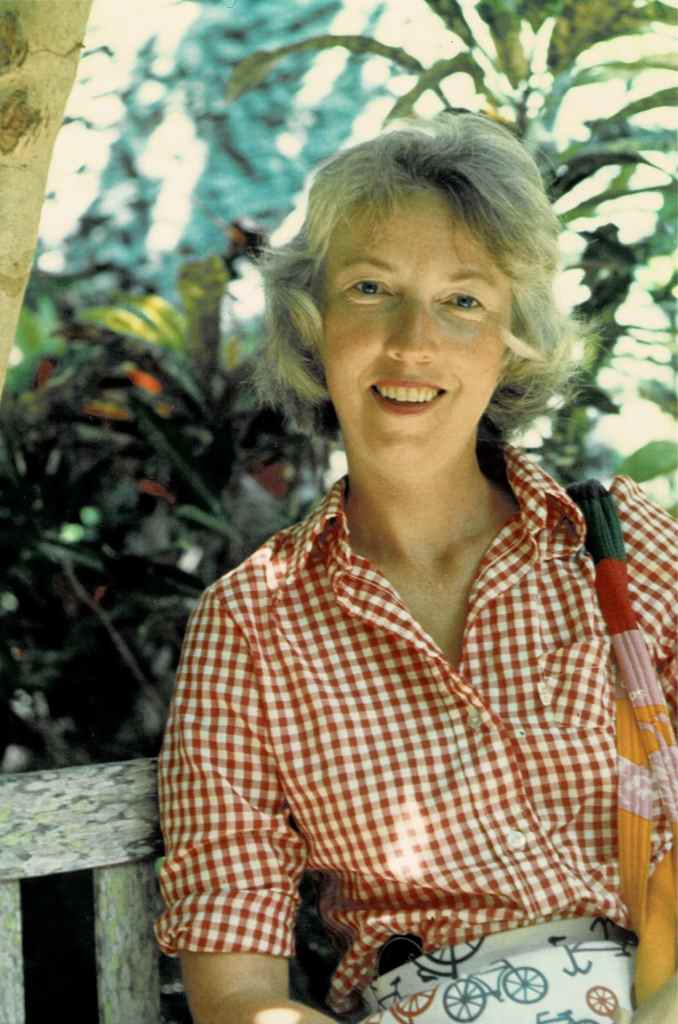
Happy mom with youthful skin and gray hair.

My mother was 34 when she gave birth to me. I was 35 when she died. I want these numbers to match, as if there could be some kind of life-cycle significance and magical meaning to my mourning her death at the same age that she celebrated my life. A cosmic collision of age that would make the connective tissue and that runs through generations even stronger. I have even miscalculated the years and ended up with a match, as if I need more things to tether me to her. All of the physical and emotional strings are so evident, not to mention my house full of stuff that holds her presence. Maybe in grief we never stop searching for ways to hold on to the one we lost, even if just by a number.

Since I’m on the theme of numbers, I count the years and discover that this will be the 18th time that I will celebrate Mother’s Day without a mom to call. 18. One year less than my son’s age. The year we begin to enter a new stage of life recognized, at least by some definitions, as an adult. The year we find ourselves on the precipice of adulthood wondering if perhaps childhood might be a better place to linger. Years ago, I heard the singer/songwriter Rufus Wainwright interviewed about losing his mom. I’m not even a huge fan of his music but there has always been something about him that has intrigued me beyond his melancholy voice. He said something that I didn’t write down but will never forget (granted I may be paraphrasing). He said: “You are born twice. Once on the day you are born and once on the day your mother dies.” For all the thoughtful things that people say after you lose a loved one, in particular your mom, this one observation sent a flash of awakening through my heart and mind. It captured something about my grief that I was never able to define before.

With Rufus’ wisdom in my mind, and with 18 years of life post-Mom, perhaps I am entering a new adulthood. I have lived through wanting her attention back as an infant or toddler would. I have made my way through feeling her loss with such heavy sadness that I felt like a child in a crowded place losing my mother’s hand, turning around only to find a sea of unknown legs and bursting into tears, fearful she is gone forever. I pushed my way through adolescence, fighting against all the ways I am like her and struggling to find all the ways I want to be like me even if I know it might make her uncomfortable. And now I am all grown up. Holding on to things that still make her memory so vivid and perhaps more ready than ever to let other things go.

So now that I am leaving the grief nest empty 18 years later (in truth it never goes empty, but it does get easier to hold), I have decided it’s time to write her a letter, in case she wonders how I am doing. Here I go:

Dear Mom,

This will be the 18th Mother’s Day when I can’t call you. Don’t worry, it makes me more reflective than sad now. But some sadness is mixed in too. I have my own motherhood to celebrate of course. The kids, young adults now, will call or give me a card, and John is good at flowers and chocolate too which is always nice. He knows I love dark chocolate and gets the really good stuff with interesting flavors. (OK, I know this is about Mother’s Day, Mom, but I need a side bar moment here and want you to listen. He is a good guy, Mom. I think based on your behavior leading up to our wedding – which really hurt my feelings for the record – you were worried about the whole opposites attract thing, or maybe you were just worried that I was marrying into a Jewish family that talked too much. Maybe you were worried I wouldn’t speak up. We have had our moments, the really low ones are hard, but he is a good husband. We have worked at it and we stick with it. He listens when I speak up and I’ve learned to speak up more, so don’t worry about that anymore. I do my best to listen to him too. My marriage is doing just fine, better than fine on most days actually. I made it way past the seven-year itch that sent you and Dad into irreconcilable differences. I don’t know if you would be proud, but I am).

Well, that was a load off my chest. Back to Mother’s Day.

If I could call you today, I would tell you that there’s a pandemic. It’s just awful, really horrific for some, and more than 3 million people have died. It’s hard to acknowledge that it’s really grounding in other ways too. We have had our losses to bear in our family, nothing like losing someone, so we are grateful to be among the lucky ones. I think the past year has made me more practical. More like you. It took a pandemic, although I was always pretty practical compared to many I know, to make me even more like you in that way. Also, my hair is gray now, like yours was when you were much younger and more comfortable with your true color. As usual, you were way ahead of the curve, Mom. You could have been the originator of the trending hashtag #grayhairdontcare. It’s probably not worth explaining hashtags to you, not sure how much value they have in the world, maybe some. Using this one here in my blog might make one more woman who’s now embracing gray read what I am writing. I know that sounds silly, and it is. I hear your dismissal.

One thing that I’ve been doing that is not like you is spending time getting rid of old stuff. Based on how long it took us to clean out the house, this isn’t a habit I associate with you. Your practicality did not seem to lead to purging closets, desk drawers, the basement or the attic. Or maybe you did, and I wasn’t paying attention.

When you were dying, did you think about how much stuff you were leaving behind? Lisa and I took the time for sentimental sisterly bonding as we picked through the physical materials of your life and wiped away our tears. We wallowed together in all of the representations of the many sides of you. You made it pretty easy to feel your presence – your journals, poetry books, cookbooks with witty recipe notes, magazine clippings and nature-focused photographs all had stories to tell. And we never fought about all the stuff, not even the valuables. I think we both felt that the family heirlooms loaded with impressive sparkle and emotional complication were less valuable to us than the other pieces of you. And there was such an abundance to divide between us.

Here’s a true story Mom: The day Lisa and I arrived to begin the purge of your house and our childhood home, we immediately heard the sound of spraying water. Indeed, a pipe had bust in the basement and we had no idea how to turn off the source. The fire department came quickly and saved the day. That sump pump did too! An hour or two after the drama, one of us picked up one of your journals. This entry was written fairly recently, thanks to your habit of dating things, and it said: “I had a dream a pipe burst and I couldn’t find the water source.” We looked at each other and froze. That’s how present you were.

Mom? Are you still there? I have a question for you: What if life’s most profound wisdom came from acknowledging and understanding what we want to hold on to, not what we need to let go? What if the things we want to keep with us as we move forward, be them feelings or belongings, are what matter most?1 Don’t worry, I do not still wallow in your passing so much that I get frozen in my tracks. I have learned to let things go about myself too, things that “no longer serve me,” as those wellness and psychology experts like to say. 

I have filled up some boxes lately, but I don’t want to tell you about the things I have decided to let go. I want to tell you about the things I keep.

Your grandson, the one who was 18 months old when you departed, wears your three-quarter zip purple Patagonia fleece pullover. This retro style happens to be very popular right now and he was so excited when I found it in the back of a closet. He doesn’t remember you, but he recently told me he feels something about you when he wears it. Isn’t that sweet?

When we were in quarantine, your granddaughter, the one who is about to graduate from drama school, found one of your clippings that for whatever reason was in a folder I keep in the kitchen with recent mail and bills. I don’t remember putting this clipping in my “current stuff” location, but clearly it was something I wanted to keep. She just happened to pick it up and it blew her mind. It was an article from The New Yorker written by Susan Sontag about a new play she wrote, Alice in Bed. This was the only section you underlined: 

“For the obligation to be physically attractive and patient and nurturing and docile and sensitive and deferential to fathers (to brothers to husbands) contradicts and must collide with the egocentricity and aggressiveness and indifference to self that a large creative gift requires in order to flourish.”

Susan Sontag, The New Yorker, May 31, 1993

Fast forward one year. In her performance class last week they were reading Sontag’s essay Illness as Metaphor. Suddenly, that cosmic connection between generations came crashing down right there in her drama class. She had to come up with a quick dramatic response based on Sontag’s writing. She wrote a letter to you, about her not understanding what cancer meant then but knowing that’s why you died. About her remembering tiny pieces of you and wondering if you would approve of her less practical choice of career. It made me weep, Mom. A really good weep I hadn’t had in a while. And it inspired me too (yes, she gets credit for the idea of this letter I write now).

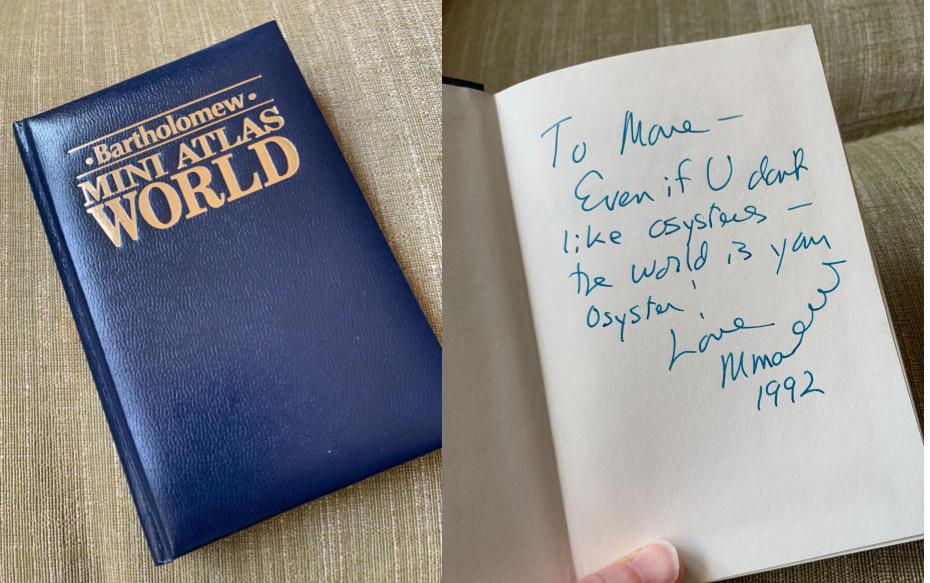
Finally, I recently filled two big boxes with old books, some of them yours. I was about to toss in this sweet little atlas. But first I opened it and found your note. I miss your handwriting (good thing it lives on in so many places!). We don’t need atlases anymore, but I put it safely back on the bookshelf. Maybe it will take a few more years to let this one go. Maybe I’ll let the next generation handle it.

Thank you for this note, Mom. I still don’t like oysters (you misspelled it!). I miss you.

Love, Mare

1 Inspiration credit here goes to writer and speaker Nora McInerny. If you have grieved a loss, and that means pretty much everyone, you might relate to this TED Talk We don’t “move on” from grief we move forward with it. I first heard her story on a podcast, and it really stuck with me.

In Many Ways She is Nothing Like Me

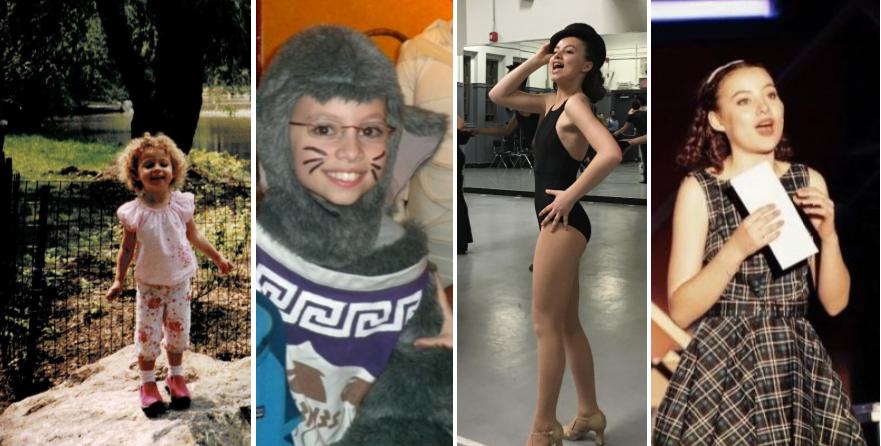
From the rocks in Central Park to bigger stages – my girl is about to launch!

When my daughter was a little girl, she would scamper to the top of one of the big rocks in Central Park, find the highest point, stand tall, and start singing. This big voice would bellow out of this adorable little girl. Often it was Baby Beluga. Sometimes Puff the Magic Dragon. Maybe even the classic ABCs. Whatever song she chose, her sparky energy and magnetic curly locks would find the imagined spotlight and start performing with confidence – perfect singing posture, chin slightly up, voice on-pitch and projecting. She could be heard from the Pinetum to the 85th Street playground. At least it felt that way. When I was at work and missed the latest spontaneous performance, our nanny would report back to me how many people would stop to listen and ask, “how old is she?” She learned to talk and sing at the same time.

Her comfort in the spotlight was something more than a small child’s lack of self-consciousness. And it grew along with her. In her first “official” role as Tacky in the kindergarten play version of the book Tacky the Penguin she brought the silly, eccentric character to life. We learned then that not only did she never miss a line, but she knew every line in the play so well that when other kids went blank, she would step right in to deliver the forgotten words. I wondered if any of her classmates felt their line was “stolen” by this girl who puzzlingly cared more about the play than the next playdate. I do think she did it for the sake of the play, but patience has never been one of her strengths.

When she was eight or nine, I took her to see the fun and fabulous Everything About a Family Almost at Tada Youth Theater. While I delighted in every musical moment of this charming production filled with young talents, I saw her eyes transfixed. She was like someone standing on a beach who never saw the ocean before. “I want to do that,” she said. And she did.

The Central Park solo concerts gave way to school stages, more demanding youth theater productions, tap dance shows, piano recitals, songwriting and band gigs. I watched with butterflies in my stomach and amazement in my heart. It is impossible to gaze upon your child and not seek, if only for a moment, a reflection of yourself. As she grew and her passion persisted, the search for my own reflection would bring me to this: “Where did she come from??”

She is my daughter, and I definitely gave birth to her. It was a long labor. Thirty-six hours to be exact. I never knew until then that I hadn’t yet experienced true exhaustion. I guess my life had been fairly restful up until my first baby decided to make a dramatic entrance, 10 days past her due date in late August of 1999, apparently The Hottest Year of the Millennium. The heat combined with the baby weight transformed me into a hippopotamus, my ankles so swollen the anatomy of my legs seemed to have reversed. Wait for it. Wait for it. Here she is!! Finally, nearly at the end of the month, she entered the world with loud lungs, chubby cheeks and the energy of the tap dance finales in her future. I remember about three or four months later, having coffee with a mom I met in a baby group, she started to cry, I mean really cry with open throat and full lung capacity. The look on my mommy friend’s face, raised eyebrows, said silently “wow, I thought my baby could be loud, but now I know I’m one of the lucky ones.” I felt her gaze wondering if I had the mother’s magic touch that could calm my baby down. I left the Starbucks without finishing my latte.

My mother always said I was a quiet child. I imagine I let her linger over coffee.

My quiet, calm character meant I wasn’t quite suited for the overly involved “stage mom” role, yet I did feel the strong instinct of a mother’s need to protect. I’m not sure from what exactly because in every performance moment there was no denying her happy glow. I guess I wanted to protect her from someone else’s agenda, whatever it might be. I wanted to protect her from feeling like she had to do something a certain way for it to be “good.” I wanted to protect her from the potential of losing the joy in something she so clearly loved.

I look back now and realize I was protecting myself too. Perhaps protecting my priorities first and foremost. I wanted to protect our family dinners, every-day routines, school life, weekends away, extended family vacations, social time, down-time, sleep. Like holding a child’s hand crossing the street, I wanted to squeeze life’s simple joys and keep them closer than the enticing possibilities that might take them away.

In truth, I may have also been protecting myself from being afraid that she is nothing like me. Watching her on stage and off — her confidence, raw talent, steadfast focus and ability to know and be present with exactly what she loves — has at moments felt like observing an exotic animal at the zoo. I pause to look at its movements, try to relate to its natural instincts and wonder if there is a fundamental connection I can find to this other creature I observe.

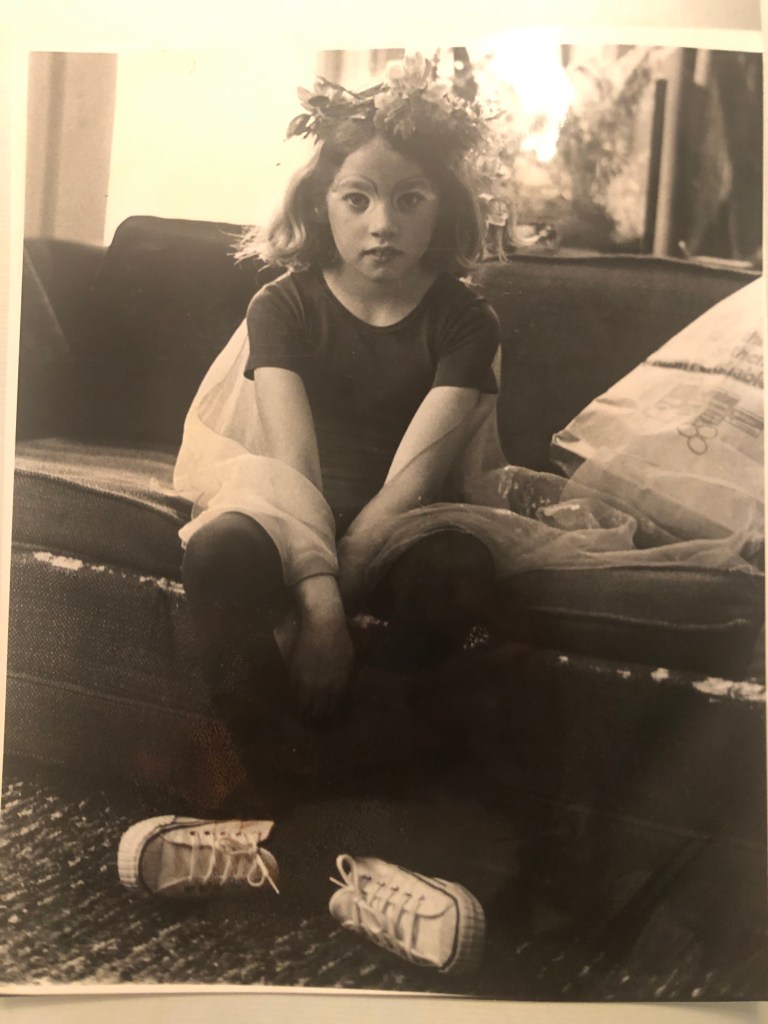
The extent of my own experience on stage was over by the time I finished sixth grade. That was the year I played Helena in Midsummer Night’s Dream. I remember the heart racing nerves and inability to really understand how my awkward 12-year-old self could “play” this confused, lovesick fair maiden. I was much happier the year before when I danced around the stage in a fairy costume, I think it was The Tempest, comfortable in an ensemble role. It’s not that I’m shy, it’s just that I have always felt intimidated by the spotlight and those who relish in it. I’ve worked hard to achieve a calmer confidence saying what I need to say in both personal and professional settings, and for this I give myself a little applause.

So, there was no thread I could tie back to my own childhood experience as I continued to watch my little girl grow into a “triple threat” performer. Her efforts culminated her senior year in high school with the thrill of a lead role: Rosemary in How to Succeed in Business without Really Trying. For all the lost family dinners, missed weekends away, worry about lack of sleep, conflict sheets, rescheduling of appointments and second priorities left in the dust, I finally opened my eyes and heart wide enough to see that this was not about things lost. It was about how much she has to gain. Comfortable in my second-row seat, I watched her move, sing, and deliver moments of character, charisma and comedy that the audience adored. I watched her become part of something bigger than herself and saw that she was exactly where she was meant to be, at least from my view (hers may be different). Hours after the final curtain, I let the tears roll only when no one was watching me, overwhelmed with pride and awestruck by her accomplishment.

“She looks just like a mini-you on stage,” a friend said, a friend who came to see the show who doesn’t know her. “I see so much of you in her.” Maybe that was the simple observation I needed to hear. My seeking my own reflection was missing what was so evident to someone else. An outsider’s distance made me see it too. Physical presence and more, she is part me. My husband’s disposition and single-minded focus is so often more evident, but I am there both on the surface and underneath. She was born with stage presence; I have always been happy to play whatever role is needed behind the scenes. More significant than any of our differences, there is love. A kind of love that is uniquely mother to daughter. Filled with complexity and a profound sense of being at once the same and completely opposite. Beyond the emotion, there is a physical place in my heart where I hold her. At times I want to hold so tight I might lose circulation.

And now, four years past that moment, I know there are many little pieces of me inside of her, on-stage and off. She is a young woman whom I admire and respect and argue with and laugh with and try to reason with and share my flaws with and do my best to patiently listen to and try to comfort when she is sad. We try to savor some of life’s simple moments together too, like when we find ourselves having a spontaneous family dance party. I can make her laugh, with me or at me, I am never totally sure. I was even a trending dancing Tik Tok mom once thanks to my comfort in the spotlight next to her! In the end, I don’t care at all who is watching, as long as for a fleeting moment I can hold her gaze, savor it, smile right back at her and feel our connected DNA. We become one. One combined force made up of two-generations of girl power dancing together on the stage that is the kitchen floor.

In less than two months she will graduate from a prestigious drama school; on paper perhaps already achieving part of the “dream” that has seemed to define her direction since before she was even aware, when her cute curls and big voice commanded a pause from passers-by in Central Park.  “I’ve had this dream since I was a little girl, mom. I’ve always wanted to perform and be on stage, but now I’m not sure how I feel about it,” she shared with me. There is so much complexity in the world right now that she is grappling with. It was early February, and we were enjoying many deep and thoughtful topics of conversation during our eight-hour drive together, our last road trip back to Pittsburgh. “Dreams can change, evolve, maybe take on new definition,” I suggested, not really knowing how to respond to the skepticism she has developed, not to mention the overwhelmingly sad feelings that come with entering an industry in a moment devastated by a pandemic. I have no doubt she will find a way to make it work, in whatever way she decides. There will be achievements, disappointments and all the highs and lows in-between. Maybe she will change course. Whatever it is, she will shine in the spotlight. “Keep following your dreams,” I told her. I will be there to play the supporting role.

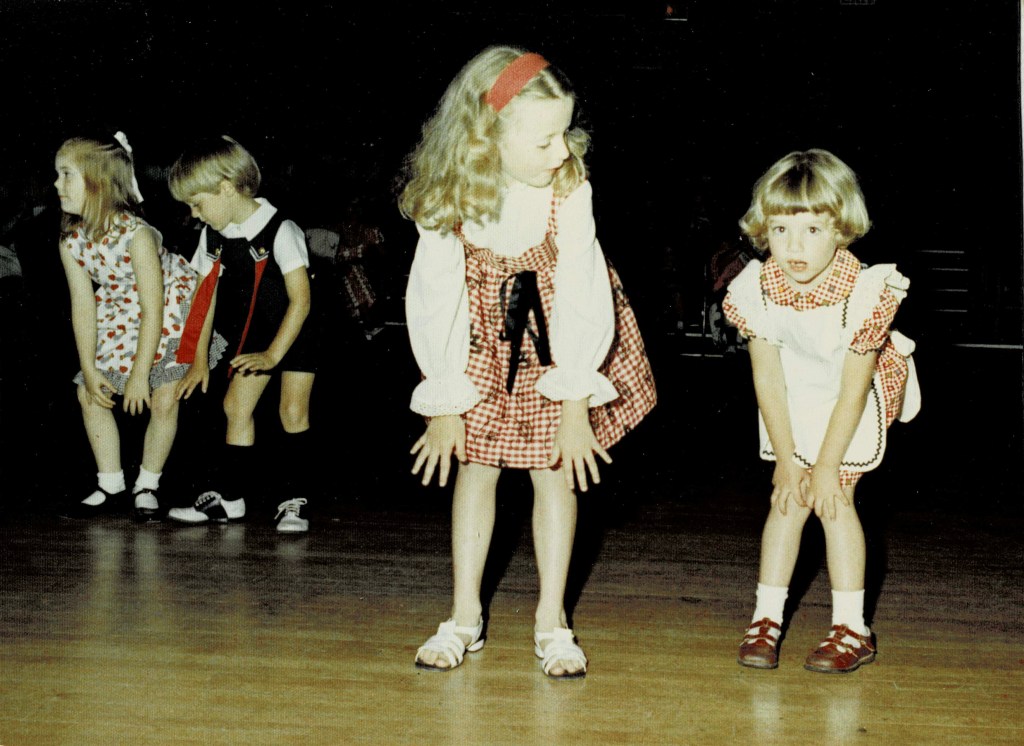
Me comfortable in my fairy costume.

Postscript: Since you read this far I am offering a special treat (my theater mom side is coming out now 😉😍), here is my daughter performing an original song this past December for a student-run theater festival (of course virtual in 2020) called Playground. A pandemic, everything is different than expected senior year song and moment to be remembered.

A Walk with Expectations

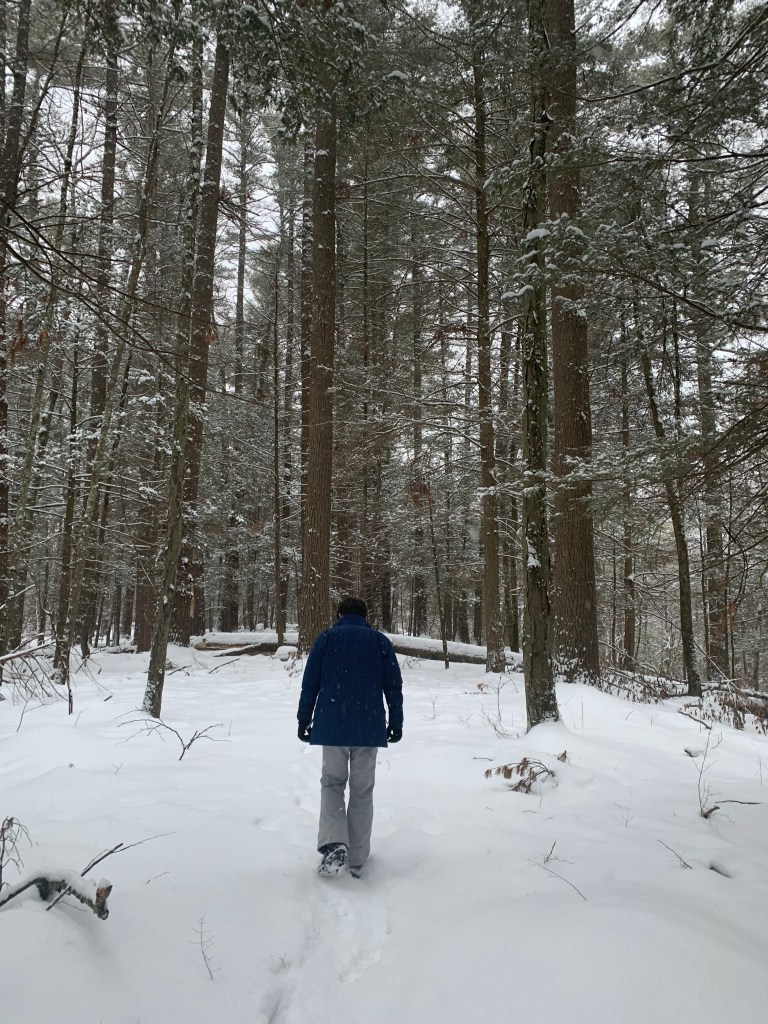
Fresh snow. Fresh perspective.

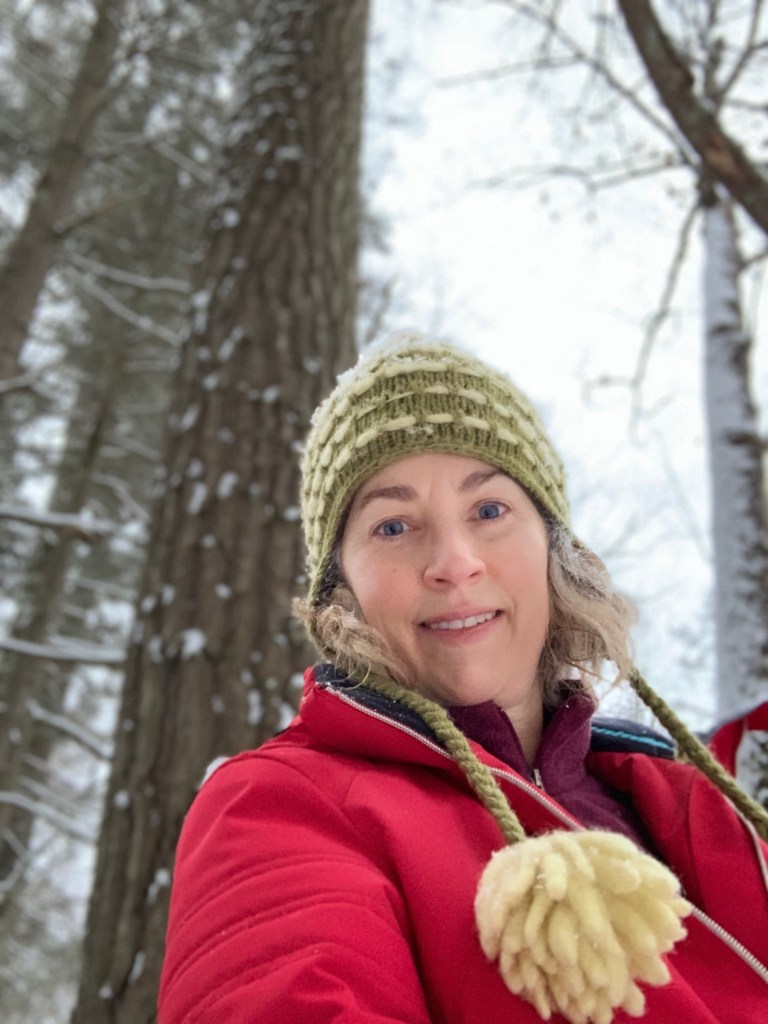
We walked peacefully in the woods, enjoying an easy trail in a dense 55-acre preserve that holds a steep ravine and babbling brook below. This intimate forest welcomes us into its calm atmosphere any time we choose to venture off the road. Our new traction cleats wrapped around our boots give us confidence that we won’t slip as our steps press the light new coating of snow down to the deeper crusty layer below. We take in the beauty of the tall hemlocks in winter. Notice the abundance of the fallen trees covered with four or five inches of pure white snow. The snow makes everything look different, brings new light into the forest and creates lines and patterns not previously evident. My son, my walking companion, stopped to notice the gently curved rows of snow clinging to the smooth edge of a tree trunk, one that must have been cut to keep the trail clear. “It’s weird how the snow stays on to the tree that way, kind of in the pattern of the rings” he observed. Maybe it’s just gravity working, I thought. The snow won’t stay on this vertical surface for long, but he makes me think that somehow in its journey from sky to tree trunk it shows reverence to the years passing, pausing in one of the meaningful patterns that nature reveals before melting away.

I remember the first time we walked this trail, thanks to a guided hike, we learned that it held some of the state’s tallest trees. My son would have been about eight then. Probably needed a little encouragement from his mom to come along, just like this day years later. “You know a walk and fresh air will give you some renewed energy. Make you feel good,” I say, unable to stop myself from wanting him to get outside when he spends too much time in his bedroom. “I know. Sure, I’ll come.” He is a very agreeable child (young man).

He is a taking the semester off from college, having experienced a first semester that presented some challenges. His struggle made me realize that we should talk less about how important it is to find the right college for each hopeful applicant and more about how actually being in, not just getting in, college isn’t always easy. There is no magic wand that creates an immediate sense of belonging simply because everyone received the same acceptance letter. At least there should be more balance between these two conversations. I regret not discussing with him that the adjustment to college is not the same for everyone. It can be overwhelming, uncertain, characterized by an endless search to try on new hats until one might fit. Beyond the academic and social pressures, perhaps some feel the self-inflicted pressure to see the new environment as a chance to re-invent themselves into someone they like more than the high schooler they left behind. Add the pandemic to the first-year adjustment and there are more unsteady waters to navigate. Despite how hard each institution has tried, no effort can bring back all of the defining college experiences Covid-19 has taken away.

The day I picked him up, two days before Thanksgiving, I arrived around noon. He wasn’t packed, his room was a mess. I started in on the tasks at hand, first finding a large black garbage bag to throw away much of what was in front of me. If college life was conducive to messiness pre-Covid, it seems the current circumstances – no roommate, a dining hall that provided take-out containers instead of the usual place of gathering, evidence of exploring “typical” college social behaviors now allowed only in small groups in dorm rooms – have enabled another level of disorder. I knew based on phone calls that some of his academic life was a bit untidy as well. Covid College 101 – it might not be what you hoped for.

I rid the room of items that should have already been in a dumpster, found a broom in an attempt to leave the floor at least surface clean, collecting dust bunnies the size of grapefruits. I kept my judgment to myself, sensing his low mood and the need for a mother’s support. After three months without him, I comfortably slipped back into that loving role. Together, with little organization yet a calm steady effort, we packed all of his belongings up into the many bags and bins he had arrived with, and miraculously fit it all into our small wagon. It was a dreary day; rain started falling just in time for us to find shelter in the car.

I began to drive east, taking in the sparse landscape and passing through the same tiny towns I observed on my drive alone that morning. It was still quiet in the car despite my passenger; he had warned me he needed to log-on to his political science class. His attention didn’t last long before he succumbed to a good car nap. The lecture exploring the differences in philosophies of Locke and Tocqueville was no match for the gentle vibrations of the straight, flat roads of Ohio.

When he woke up, I decided I needed to start probing for the thoughts inside his head. To begin to dig deeper for the reasons why his aura was uncharacteristically melancholy. It didn’t take long for him to say this: “College wasn’t what I expected.” There is more to the story. The experiences are his to keep and to share.   

Three months later, we find ourselves together in the woods. He has had to make a few hard decisions in these last months, but his spirits have lifted, at least on most days. I don’t know exactly how he feels as we meander along the trail, but his inquisitive mind and open heart are present. For me, this walk, and others like it, whether alone or with company, lives up to my every expectation. Gives me new energy. Creates a calmer perspective. Allows for a moment of pause to reflect on things other than life’s daily challenges. Especially now as these pandemic days still blend but we envision a gradual ending, our steps lead us to more hopeful thoughts for the future. I am not a neuroscientist, but I believe every hypothesis and conclusion of every study that uncovers the benefits of walking in the woods: reduced stress, lower blood pressure, increased ability to focus, eased anxiety. I don’t really need to read the studies; my feelings are evidence enough. I hope my son might share some of the soothed senses I savor when expectations are delivered.  

“In the snow you realize how many animals are around,” he says, looking at the deer tracks showing their many clear paths in every direction. His tracks will wander, his direction will come. I will treasure this walk in the calming woods and contemplate where my path with take me next too.

Exploring a new perspective.

No Sleep Till…60?

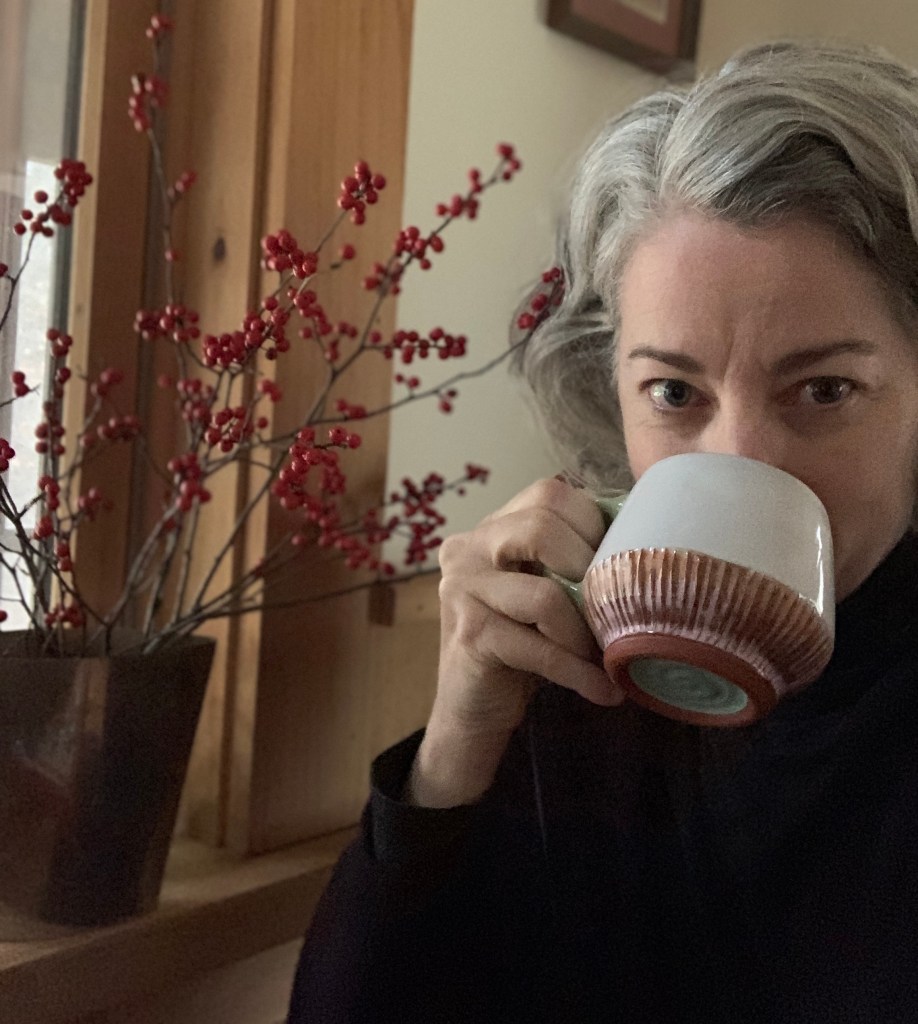
Sleepless selfie

Sometimes I lose sleep. Like my keys, my headphones, and the favorite sweater I wore recently but can’t find in the logical places, I just can’t find it. I lie in bed all night waiting for it to appear and my brain to disappear. Counting down, deep breathing, body scanning, pondering when my body and mind will agree to come together to find a state of unconscious rest. All hope is not lost because, as I like to say to my kids when they are searching for something with escalating frustration, “Well, it didn’t walk away.” I am faithful these things, and sleep, will show up again. They usually do.

A few years ago, when I was in the throes of menopause, my insomnia felt different. I would jump from one precise worry to the next as if my brain were that air-blowing lottery machine that holds all of those numbered ping pong balls bouncing around waiting to be picked for the winning combination. It was just chance which worry would pop up next, no organization or association between the thoughts.

My therapist once asked me to describe what was inside my head keeping me up at night. My answer was something like this:

“Damn I forgot to buy butter when I was on that efficient (rushed) trip to the grocery store after work deciding what to cook for dinner… I’m so pissed off at that arrogant more senior male colleague who presented a new version of what I came up with at the last team meeting without even acknowledging my work… what a jerk… did I forget to sign up for parent teacher conferences? I really want a new light fixture in the dining room… my high schooler seems quieter and more overwhelmed than usual… what does he need from me I wonder? More reminders; less involvement? What about me, what do I need? Is my marriage still working for me? Would a new job solve this unrest?”

It keeps going. Some things cycle back around. The more significant ones had a way of doing that.

The technical term for these uncontrollable worries and the emotions they were attached to, as stated on my therapy bills, is “generalized anxiety disorder.” Looking back, I might label it “hormone-associated mild insanity syndrome, coupled with episodes of insomnia and occasional spikes of hysteria.” I wonder if my insurance would have covered that.

“You’re working,” my therapist said. “Give yourself a break and try to see that you’re working things out.” Well, it wasn’t a bad suggestion of reframing, but at the time work was the last thing I needed more of! It was sleep I searched for; a search that didn’t require a resume but, I was learning, did require a set of skills I seemed to no longer to possess. I took the suggestion and reminded myself to add a new numbered ball to the lottery ping pong ball container, one that represented self-love and kindness.

A few years later, my hot flashes are now warm waves, and—combined with many other changes including the pandemic putting at least some of my worries in perspective—I now feel that my “generalized anxiety disorder” has become less of a disorder and more like “generally happy person syndrome with cycles of good and bad days, coupled with sporadic bouts of insomnia.” That’s progress!

Lately, the insomnia it is no longer characterized by anxious thoughts jumping from one to the next. I have arrived at a calmer state of sleeplessness; a somewhat meditative place that can last all night but never become solid sleep. I am well aware that there are many reasons for an unsettled night; it’s never one thing, as much as we may search for one solution. I have become more accepting of the rhythm of my worry cycles, and the anxieties have eased. I still don’t give up trying to find sleep. I think to myself, “Maybe I should get out of bed, do another Headspace meditation, read my book, write my blog…” but I can’t muster the energy, so I do another countdown. It’s like waiting for a train that never arrives, but you’re still looking forward to where it might take you.

Usually it’s the next morning that’s the harder part. Here’s what was inside my head on a particular morning, December 31, 2020 to be exact, after a night of no sleep:

“I can do this. I’ll get through this day. It’s just sleep; it will come back eventually.”

I start unloading the dishwasher, one of my favorite quiet morning routines. Recently I heard a great quote from Nora Ephron: “If you’re not happy washing dishes, you’re not happy.” I think I’m happier putting them back in their place than washing them, but I get it! I embrace my chore carefully, returning things to their place without making too much noise and potentially waking the family.

But then this: “Wait, why do I feel like crying? Why am I crying? Feeling tired makes sense, but overcome with uncontrollable tears? How long do these menopause hormones last??” I wasn’t sure then, but now it’s clearer that the anticipation of saying good-bye to a hard year for me personally, and harder for so many more, was the reason I found no R.E.M. on the night of December 30th. My husband always points out how I search for reasons and explanations. Maybe they make me feel better!

 Then the inner critic wakes up as I grab a tissue:

“Maybe I’m not strong enough, I don’t have the grit, perseverance, strength to be OK with not sleeping. Are highly successful and productive people who sleep four hours a night really OK? I’m not good company for my husband. It’s New Year’s Eve and I don’t want to do anything. I definitely won’t last until midnight. Will he be disappointed?” He wasn’t. In fact, he played his role well and gave me the extra love and tenderness I needed that day.

Deep breath. “I’ll be Ok. I’ll make it through the day and sleep tonight, usually that is the case. One night on, one night off.”

Indeed, that was the case, and going to bed at 10:30 on New Year’s Eve felt good. I woke up feeling like the better me again.

The New Year did not solve all my sleep troubles, but I did recently have a straight week of solid sleep and it felt amazing. Although I never read the news at bedtime, maybe I can thank Joe and Kamala for contributing to newfound nighttime peace. Yet I have laid awake on a few of these cold January nights still hoping I’ll find sleep at the end of the next body scan. I may never stop searching for reasons why it comes and goes or analyzing my behavior to see if I can find a magic formula. One drink, maybe two, best if it’s tequila. This month it’s more often no alcohol at all. Sometimes I meditate before bed, sometimes a really deep morning meditation provides lasting effect until bedtime. Sometimes I take melatonin, sometimes I don’t. Going to bed at the same time every night – that definitely helps! Recently I spontaneously bought an herbal sleep tincture that claims to ease sleep with valerian root and skullcap. I have no idea what those are, but I gave into the temptation and spent the $20 to see if this might be the solution I’ve been waiting for. It tastes god awful, like by some unexplained mix-up you drank your grandmother’s hairspray, the kind that still contained alcohol and tried to cover the chemical smell with a fake rose scent. I’ll let that one go!

I don’t have all the answers to my sleep cycles but comparing 53 to 50, I think I’ll be more consistently rested by the time 60 is approaching (a girl can dream). And I feel good embracing that predicted trajectory. I just wonder how many other things I will lose before then. I’ll find sleep when it comes, and I hope my rings will remain on my fingers. *

*If you missed my story of losing things with more material significance, you can find it here: The Weight of the Rings.

Without Grace

My kids enjoying a quiet moment in the woods in early May. Taylor Swift in the woods (folklore album cover), maybe also in May.

 “The past is beautiful because one never realises an emotion at the time, it expands later and thus, we don’t have complete emotions about the present, only about the past.” – Virginia Woolf

Writer’s note: I found this quote not because I am an avid reader of Virginia Woolf, but because I discovered it at the beginning of the book Educated by Tara Westover. When I read it, I wrote it down in my journal, knowing I would need to hold on to its wisdom.

When Taylor Swift dropped folklore back in late July, my daughter and I listened to those gorgeously reflective songs so often on repeat that it was like staying in a bubble bath until our skin turned to leather. I’m not sure I ever felt a collection of songs match my internal mood so well. Then again, I never knew what a mostly quarantined pandemic mood felt like. Swift took her quarantine time, and like the songwriting master that she is (even if you’re not a fan, I encourage you to give this one a listen), constructed an emotional anchor that my 52 year old self and 20 year old daughter could equally cling to as we struggled to hold on to whatever still made sense since Covid-19 changed everything. Besides the beautiful lyrics, the sound of those songs vibrated through my body and brain when finding words for feelings was as hard as finding that one piece we searched for in our 1000 piece puzzle.

My previous relationship to Swift’s music was that from the perspective of a mom of a 12-year-old girl back in 2011 when we went all the way to Nashville (a generous birthday present!) to catch her Speak Now tour. Even I was wide-eyed when she flew over the audience with her openhearted magical music, making the thousands of young girls who sang along to every word feel like she was their friend. What I felt then came strictly from watching my daughter’s joy; it was a simple thrill to see that someone with such magnetic talent and positivity was also a wonderful role model for our girls. There was no deeper internal dialog between me and Swift’s young songs about mean girls and heartbreak.

Nine years later she sings: “I didn’t have it in myself to go with grace,” in the song My Tears Ricochet and I suddenly and completely fell into a whole new level of Taylor Swift fandom. She is all grown up now at 30 (the very young kind of grown up!). She always had insightful things to say or she wouldn’t be so successful, but now her relatability extends beyond the bright eyes of innocent youth. “And so the battleships will sink beneath the waves,” she continues, sharing the letting go of whatever hard-fought relationship she’s reflecting on. I wonder how many years the feelings of that particular breakup (or generalized sense of loss) noodled in her mind before she had the quarantine time to let the lyrics flow.

And here’s me listening, twisting the lyrics into my own process of healing: “I didn’t have it in myself to enter with grace,” I sing to myself. Enter my 50s that is. I discovered that this music not only matched my quarantine mood but let me look back more softly on a year when I could not fully understand my own feelings or needs. After a celebratory start, my husband John and I marking our collective 100 years with a joyous, music-filled bash to be remembered, I fell into an unsettled space. I held onto a sweet moment that should have been fleeting and clung to it as if it were my youth, or perhaps just the possibility of youth. The possibility that what lies ahead might be more exciting than all the experiences left behind. Like the feeling I had riding my bike when I was a kid, not just around the block but farther away from my childhood home, further into independence and opportunity, to an unknown place that would bring new adventure. When I was 10, the road most often took me to buy candy at a classic suburban neighborhood variety store less than a mile away. That was adventure enough. Where would it take me at 50, if I decided to hop on and ride away?

But I didn’t want to ride away. In fact, I needed to sit still and take the time to figure out what I was really feeling as the night sweats woke me and anxiety trapped irrational thoughts inside my head. Searching for understanding, I spiraled into uncertainty, kept secrets, obsessed over the smallest of interactions, worried about the wrong things and watched myself unravel. It feels so out of control at the time, but then it is in the past, like Virginia Woolf says, it becomes beautiful. The hard-felt emotions have time to expand and take you to a new place. I see now that I simply didn’t have it in myself to enter this new age with grace. I did too much the decade before, so I entered with a fall.

Taylor turned 31 yesterday. I turned 53 one week before. A generation apart, but I’ll pretend we’re kindred Sagittarian spirits, connected by our optimism and fun-loving attitude. She can look back on 30 and wallow in the fact that her album made history by setting a record of 80.6 million streams on Spotify on day one. Damn her. Still I give her gratitude, helping me look back on 50 with more self-acceptance, less apology (still hard for me) and greater emotional strength.

While we all continue to ride the harsh waves of 2020, we won’t really understand how we feel until more time has passed. We know for sure it doesn’t feel good. I am well aware of the presence of silver linings in my life, but as the year comes closer to a close I need to allow myself to be tired of them. As a parent of young adults, watching the losses they have endured pile up since March like laundry coming home from college, I want to tell my kids to scream “screw you silver linings!” and help them find the resilience to make it through. 

This was the year my son graduated from high school with a well-orchestrated and sweetly personalized live-stream tribute to the Class of 2020. An impressive effort that made the best of the circumstances for sure, including video clips of kids dancing in their graduation caps and gowns, alone. It was the year he entered his first year of college with no roommate and no “first year sing,” one of those traditions that finds future life-long friends standing together on the steps of an academic hall looking out optimistically over what lies ahead. The year he had too few opportunities to make connections and find experiences outside the classroom, not to mention the Zoom screen. A year that is such a milestone, that we place too much emphasis on, and that fell far short of his expectations. I want to give him the biggest of bear hugs and feel him weep in my arms like when he lost his beloved stuffed koala.

And then there is my daughter. As a senior, we are entering the year that would have been the one when she performed on the mainstage of one of the most prestigious drama schools in the country, fantastically revealing every talented and trained particle of performance-powered energy she has inside her. She would become Sheila in the musical Hair. Now she will record a few songs to be viewed on our computer screens, her character development won’t have the opportunity to expand beyond how well her expressive eyes will bring us into the emotions of the turbulent 1960s. With a mother’s pride, I can predict it will still be fantastic, those eyes will bring us there, her voice will impress, and she will keep the sadness off camera.

I want my kids to know, and all the young people who deserve so much more, that they don’t need to do this all with grace. They can trip and fall. Unravel even. Try to know that after the dark downward spiral they will eventually look back on 2020 and understand more about themselves. Find what they need to heal. For the moment, I hope they find whatever songs match their challenged emotional states. For me, I’ll take in another verse from My Tears Ricochet – “We gather stones, never knowing what they’ll mean. Some to throw, some to make a diamond ring.” I wish I could hand them both a diamond.

Treasures in the Empty Nest

My son’s simple wisdom

If cleaning out the kids’ closets weren’t satisfying enough, finding perhaps the cutest note ever written (this from the mother’s perspective of course), turns the sense of accomplishment into a moment of pure joy. I was reminded of that question Marie Kondo asks when she forces her subjects to empty the entire content of their closets and go through each item on by one: “Does it bring you joy?” Any hesitation and it’s tossed triumphantly in the give-away pile. Clutter beware! How much joy can be found in one closet?

I found it. Between the worn-out sweatshirts, too tiny shorts, baseball cleats not worn enough to toss and t-shirts with various bar/bat mitzvah names boldly printed in thematic fonts, a small stack of old notes and cards. Back from the days when the first kid was at sleep away camp and the second kid stayed at home with various summer activities and time alone with mom and dad, wondering what it would be like to be away like a “big” kid.

I vaguely remember that bee stinging day. What drama at Audubon camp! Knowing that my sweet son, I think 8 or 9 at the time, had a rough day getting stung by a bee, I expect I gave him and extra-long hug when he got home. I imagine how it must have happened so fast – one kid stepping on the hive, swarming bees everywhere, kids running frantically, screaming even, hoping they won’t get stung. Only four lucky ones who must have breathed sighs of relief but felt bad for the others too. I bet the committed counselors provided support, maybe some soothing ointment, back then maybe even a comforting hug (it will be a nice day when a counselor can hug a camper again).

Ignoring the adorable spelling and grammar mishaps, I will focus on the fact that this letter to his big sister is filled with such unintended wisdom. Seeing an experience through the eyes of a child can give the simple clarity that adults so often miss. Maybe we have so many other things on our minds that the yin and yang of any given day has no time to be processed. The simple reporting of his day – being stung by a bee, the rain, then the dinner – and the insightful conclusion: “It was a fun day, well sort off.” (keeping the spelling intact here, as perhaps the day was also “off” thanks to those nasty bees). Processing his day as neither all good nor all bad, some ancient Chinese philosophy is already at work, unknowingly, in his writing.

Side bar: another thing I love so much about this note is that there is some secret sibling message in the end. And about the wise Yoda nonetheless! I wonder what the question was? 

A day after savoring my son’s simple yet profound words, I encountered some related wisdom during a meditation class. We now live in a world where it has become possible to absorb the wisdom of a yogiraj (an advanced yogi) without being in their physical presence. Zoom fatigue be gone! All seven chakras and my Zoom square are fully present!

“Balance the fear with the love,” he said, speaking of the election while trying not to get too political. It was one-week post-election; I guess he could feel our collective anxiety emanating out of his computer screen. His teachings offered some calming philosophical insights, and then we started our 18-minute meditation (yes, for some reason that I still don’t fully understand, we learn to sit in silence for 18 minutes. And yes, it feels long! Practice, practice, practice).

The words stayed with me longer than the meditative state (for the record, the meditation, while I haven’t reached 18 minutes of bliss yet, is most definitely a beneficial habit for this one yogi). One yang to all of my 2020 yin is that I have time. My unemployed, smaller small business, empty nesting pandemic life has led me to something that I have wanted to do for several years – a yoga teacher training. Namaste to me!

Balance the fear with the love.

That’s what is happening now. Every day, in our own ways, we try to balance the fear we feel with whatever we can find to counter it. No matter what our risk factors are or what “side” our fear comes from, we are all living together (sort of) in a pandemic, experiencing a time of political divisiveness, economic hardship and social struggle. Trying to find the balance when so many forces and circumstances are creating imbalance.

I carry my son’s youthful wisdom and my yogiraj’s learned practices with me as the days move forward. My husband rants with anger about the audacity of Republican leaders spreading fear and doubt about voter fraud and the outcome of the election. I try to just listen to his anger without putting up my protective wall. “What are you afraid of?” I ask. “I’m afraid there will be violence” he says, speaking more calmly now. I walk over, hold his sweet boy face and scratchy beard in my hands and kiss his check. A simple and supportive kiss, not the sexy kind.

Balance the fear with the love.

So, while I make new space in my life, cleaning out closets and reaching for a more meditative spacious mind, I also struggle with the awareness of how much fear and hate there is in the world. I realize it has always been there, I was just lucky enough (naïve enough?) to not be so acutely aware, at least not in the daily sense that is so present now. I treasure my son’s little window of wisdom, and I open to the broader more esoteric practice of reaching samadhi (being in the now). In the coming weeks, I will welcome the season of gratitude and love. My husband and I will happily welcome our kids back into the nest; we will rebalance the flow of our days, but I won’t forget how many people are suffering and full or fear. I will relish the days that are fun, even if only sort of.

Please subscribe! Or comment below. Thank you for reading 🙏

Things Change

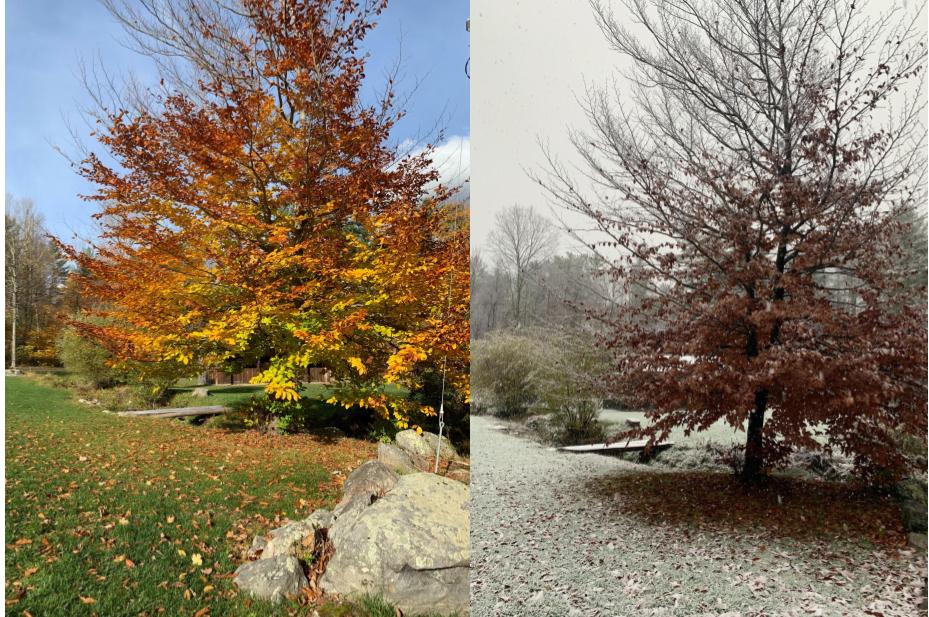
Lying in bed on a recent morning, hoping to fall back asleep after a wee hour trip to the bathroom, I heard the rain turn to snow. I rested with a restless mind, listening to the peaceful pitter-patter before it faded into silence. Things change.

So much has changed in the last eight months. We all adjust, struggle in our relative ways, and wait for things to change again. As the weather turns cold, the election looms (hoping for change there, not that it will solve every worry) and I search for what’s next, I savor the quiet moments alone and dive into this. Caught between change and stillness, I write.

The snow made me remember another white glazed morning in late April when we wished the cold season would just turn already, and I wrote my quarantine moment of reflection that became my first blog post. Like everyone, our family was navigating the first phase of the lock-down, confronting the emotions of what was never before imagined, each doing our best to ride the waves. We came together, found or own spaces, agitated each other, comforted each other, and found much love and laughter at the dinner table. That was back when we all thought that maybe there would be only one phase of this damn thing and hoped that it couldn’t take more than three or four months to find a way out, could it? We had each other we did our best to settle into the murky newness. We reminded ourselves that change is constant and can lead to better things.

Two years before everything changed in 2020, I felt the changes of becoming a woman over 50. In the first months of my sixth decade I found my feet on very tenuous ground, my mind chattering with fears and anxieties, my behaviors off-kilter, and, looking back, my denial of seeing that I needed some things to change. The four corners of my feet were not firmly balanced on my yoga mat. I had to fall, adjust, find my alignment, and learn to stand strong again.

During that challenging time, I went to an acupuncturist for the first time because I was having lasting digestive issues after a horrible infection. My stomach suddenly began to reject anything and everything I ate, and I didn’t know what was wrong with me. My primary doctor told me to try cutting out dairy. “Sometimes women your age become allergic to dairy,” she said. Really?? Well, that didn’t work. After nearly a month of experiencing pounds dropping off me like a plane dumping fuel before an emergency landing, my gastroenterologist asked me a simple question my primary doctor had overlooked: “Did you swim in a lake recently?” Yes! It was an early June swim during one of my 24 hour “me time” escapes to our (then) weekend home. A moment when I savored the pause from all that ailed me became a moment that literally punched me in the gut. Life’s inevitable dualities at work.

I was telling the acupuncturists that I finally got the antibiotic that worked, but my stomach was still not the same. Before we dove deep into the particulars, she asked me some general questions.

“How old are you?”

“Fifty,” I shared. The number has weight. My guess was she was about a decade younger, I already started judging her, thinking there is no way she can understand my experience.

 “How’s that going?”

I just met this woman, and despite my skepticism as I observed her more youthful skin, the less judgmental side of me immediately felt I could trust her (my sister’s recommendation already gave her some clout). I contemplated spewing the detailed reasons why I was in the middle of working my way through a very rough patch, but I already had a therapist. So, I just went with the easiest answer:

 “Well, those hot flashes are a fun addition to my life’s general stressors.” We both giggled.

She may have asked me one or two other questions and then she started sharing something about how we change every decade. Maybe it was a nugget of ancient Chinese philosophy or maybe it was her own thinking, but I listened intently as she walked through my life like I was reading an animated map with simple arrows depicting its progression.

She explained that our perspective changes every 10 years, starting in adolescence when we are our most inward-focused selves (a reminder to parents: when that much is changing, how can anyone be expected to see beyond their own self-centered view?). Then in our 20s we expand into the broader world, begin to define ourselves in that broader context. The 30s brings us back to inner focus, whether by creating our own family or finding those things that are most meaningful to us. In our 40s we open the door again, search for what possibilities are still out there. That I could relate to for sure. And then 50. We go back inside ourselves, more self-reflection as our joints begin to creek and gray hairs spread. She didn’t actually say it that way, but as I accepted the wisdom of her every word, I added my own internal narrative: we look in the mirror with those wrinkles looking back at us and wonder if we like who we are, maybe question if we have what we need, ponder if we are the person we want to be.

I spent the time needed to find the answers to at least those questions that mattered most and learned to let others linger as life moved on. I reclaimed my balance, re-establish my eternally optimistic “glass half full” outlook and began to feel that this other new decade, the calendar one that started with 2020 and me at 52, offered good vibes for the future in my own little world and beyond. 

Well here we are. The year 2020 is challenging us all to take a hard look inside and out. I wonder if the ancient Chinese wisdom allows for both kinds for reflection at once. For me, 2020 has sucked up some of the optimism from my glass and made me question everything. Made me more grateful too. I have to keep hoping that divisiveness, fear and anger will eventually find their way to peace, love and understanding. Change will always come. What we do with it matters most. Caught between sadness and hope, I write. And tomorrow, I vote.

If you enjoy my blog, please subscribe below 🙏